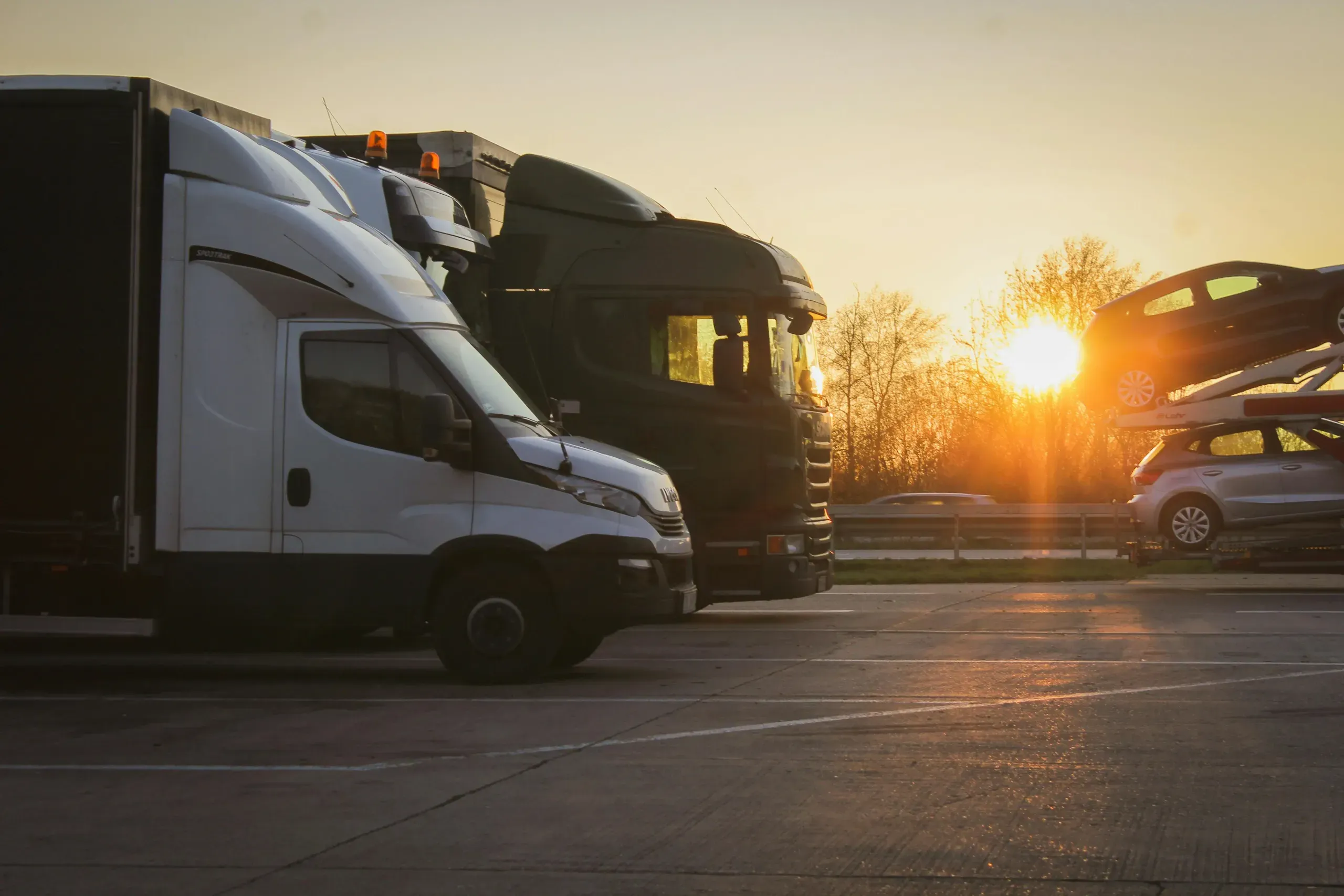
Ship Your Car from District of Columbia to Wyoming
Shipping a vehicle from the District of Columbia to Wyoming covers approximately 1,824 miles, with a typical transit time of 5 to 7 days for most carriers. Whether you are relocating for work, purchasing a vehicle online, or coordinating a long-distance move, we simplify the logistics of moving your car across the country. This guide covers everything you need to know, including how transport costs are calculated, the booking process, how to verify a carrier, essential vehicle preparation, common shipping scenarios, and answers to frequently asked questions about cross-country transit.
- No-obligation quote within 2 minutes
- Price all-inclusive
- No charge until driver confirmed
- Distance
- 1,824 mi
- Transit time
- 5–7 days
- Open carrier from
- $1,025
How much does it cost to ship a car from District of Columbia to Wyoming?
For this 1,824-mile cross-country route, open transport typically ranges from $1,025 to $1,350, while enclosed shipping usually costs between $1,650 and $2,200. Transit generally takes 5 to 7 days. As a referral service, Ship Car Pros connects you with independent carriers from our vetted network, ensuring your vehicle is assigned to a driver who specializes in this specific interstate corridor. Because we don't own the trucks ourselves, pricing fluctuates based on real-time market demand and driver availability. There are seven primary factors-including vehicle size, pickup flexibility, and seasonal conditions-that determine where your final quote lands within these ranges. We will break down exactly how these variables influence your cost and what you can expect during the booking process below.
What factors affect car shipping cost?
Several variables influence where your final price lands within our typical range. Understanding these factors helps you plan your budget and potentially find ways to reduce costs.
- Vehicle dimensions: Larger trucks, vans, and SUVs occupy more trailer space and increase overall weight.
- Transport type: Enclosed trailers provide premium protection but cost roughly 1.6 to 1.8 times more than standard open trailers.
- Pickup flexibility: A wider 4–7 day window allows carriers to optimize their routes, often lowering your rate.
- Seasonal demand: Peak periods like summer or winter months can tighten capacity and push prices upward.
- Route accessibility: Deliveries to remote or rural Wyoming locations often require more time and fuel than metro-to-metro routes.
- Vehicle operability: Non-running vehicles require specialized winching equipment, which adds to the labor and cost of the transport.
Open vs. enclosed car transport: which should you choose?
Choosing between open and enclosed transport comes down to your vehicle’s value and how much protection you need during transit. Open transport is the industry standard, used for roughly 85% of all moves. It is the same method dealerships use to receive new inventory. With a typical price around $1,131 for this route, it is the most efficient choice for daily drivers, SUVs, and standard commuter vehicles.
Enclosed transport provides a fully sealed environment, shielding your car from road debris, dust, and harsh weather. While it commands a premium-typically around $1,842 for this cross-country trip-it is the preferred option for high-value, classic, or exotic cars. If you are shipping a vehicle worth over $75,000, a pristine show car, or a low-clearance custom build, the extra security of an enclosed trailer is well worth the investment to preserve its condition.
- Open carrier
- $1,025–$1,350
- Standard 7–10 car hauler.
- Enclosed carrier
- $1,650–$2,200
- Sealed trailer for high-value vehicles.
How long does it take to ship a car from District of Columbia to Wyoming?
Shipping a vehicle across the 1,824 miles between the District of Columbia and Wyoming typically takes 5 to 7 days. While this distance might look manageable on a map, carriers generally cover about 400 to 500 miles per day once they are on the road. This pace accounts for necessary fuel stops, traffic, and mandatory rest periods required to keep drivers safe and alert. Keep in mind that these timeframes are estimates, as weather conditions or remote delivery locations can occasionally extend the journey. We will cover how we manage these logistics and coordinate your specific pickup window in the next section regarding the booking process.
Which routes do carriers usually take?
Carriers moving vehicles from the District of Columbia to Wyoming typically navigate the heavy urban congestion of the D.C. area by utilizing the Capital Beltway to reach major interstate arteries. Once clear of the city, the route trends northwest, eventually funneling onto I-80 W. This primary transcontinental corridor serves as the backbone of the trip, carrying your vehicle across the heart of the country. Upon entering Wyoming, the route transitions from the plains into high-altitude terrain, where drivers must navigate steep mountain passes like Sherman Hill. While D.C. offers high pickup density, carriers will maintain a steady westward pace on I-80 W to ensure efficient delivery across the state's expansive, wind-prone landscape.
What can delay your shipment?
While transit estimates are reliable, certain factors can introduce variability to your schedule. Wyoming’s high-altitude terrain, particularly along I-80, presents significant weather hazards; winter blizzards and extreme wind gusts can trigger rolling highway closures that force drivers to wait out the storm for safety. Similarly, pickup windows are affected by the industry's weekend cycle, as carrier activity slows significantly on Saturday and Sunday. If you are shipping an auction vehicle, delays often stem from incomplete documentation, such as missing gate pins or buyer numbers. Finally, because carriers prioritize multi-vehicle loads to optimize efficiency, your vehicle may be held briefly until the trailer reaches full capacity.
Popular Routes
Major city-to-city routes on the District of Columbia → Wyoming corridor.
| From | To | Approx. distance | Transit |
|---|---|---|---|
| Washington, DC | Cheyenne, WY | ~1,470 mi | 4-6 days |
| Washington, DC | Casper, WY | ~1,550 mi | 5-7 days |
| Washington, DC | Gillette, WY | ~1,510 mi | 5-7 days |
| Washington, DC | Laramie, WY | ~1,510 mi | 5-7 days |
| Washington, DC | Rock Springs, WY | ~1,700 mi | 5-7 days |
| Washington, DC | Sheridan, WY | ~1,580 mi | 5-7 days |
| Washington, DC | Evanston, WY | ~1,790 mi | 5-7 days |
| Washington, DC | Green River, WY | ~1,710 mi | 5-7 days |
| Washington, DC | Jackson, WY | ~1,770 mi | 5-7 days |
| Washington, DC | Riverton, WY | ~1,650 mi | 5-7 days |
How does shipping a car from District of Columbia to Wyoming work?
Shipping a vehicle from the District of Columbia to Wyoming follows a straightforward three-stage process: getting a quote, coordinating the pickup, and completing the delivery. First, we gather your route and vehicle details to provide an all-inclusive estimate. Once you decide to move forward, we dispatch an independent carrier from our network to handle the transport. Finally, the driver retrieves your vehicle, manages the transit along the I-80 corridor, and delivers it directly to your destination. We coordinate every step to ensure your vehicle moves securely from coast to mountain.
What happens between booking and pickup?
Once you sign your agreement, we begin the process of matching your shipment with a qualified driver. We work behind the scenes to ensure your vehicle is assigned to a carrier suited for this specific route.
- We post your shipment details to the national load board, where vetted carriers in our network review the route.
- An independent carrier accepts the shipment, and we officially dispatch them to your pickup location.
- You receive a notification containing your carrier's contact information, their MC number, and their estimated arrival time.
- The driver contacts you directly to confirm a specific 1-to-3-day pickup window that works for your schedule.
- Upon arrival, the driver performs a pre-trip inspection, walking around the vehicle with you to document its current condition on the bill of lading.
This phase ensures that every logistical detail is set before your car ever leaves the District of Columbia.
What is a bill of lading (BOL)?
The bill of lading (BOL) is both a contract for transport and a formal condition report for your vehicle. At pickup, your driver performs a thorough, 21-point visual inspection to note any existing dings, scratches, or operational quirks, documenting them on the BOL along with photos. You sign this document before the car is loaded. Upon arrival in Wyoming, the driver repeats this inspection. It is vital that you examine your vehicle carefully-ideally in good daylight-before signing the final copy. Comparing these two reports side-by-side confirms the vehicle's state before and after transit, providing the necessary evidence if you ever need to file an insurance claim.
After delivery: registration and inspection in Wyoming
Once your vehicle arrives in Wyoming, you must register it immediately if you have started a new job in the state or after residing there for 120 days. You will need to visit your local County Clerk’s office to process the title and the County Treasurer’s office for registration. Required documentation includes your current out-of-state title and registration, proof of insurance meeting Wyoming’s 25/50/20 minimum limits, and a completed VIN inspection, which must be performed in person by a law enforcement officer or sheriff's deputy. While Wyoming requires no emissions or routine safety testing, be prepared to pay state and county registration fees, which are calculated based on your vehicle's factory price. You can find more details at dot.state.wy.us. Before finalizing your move, remember to formally surrender your District of Columbia license plates to the DMV to avoid mandatory insurance lapse fines, which can escalate quickly if your policy is canceled before the tags are officially returned.
How do you verify a car transport company is legitimate?
Verifying the legitimacy of an auto transport provider is a critical step in protecting your vehicle. Start by requesting the company’s Motor Carrier (MC) and U.S. Department of Transportation (DOT) numbers. Every legitimate broker or carrier is required to register these with the Federal Motor Carrier Safety Administration (FMCSA). You can plug these numbers directly into the FMCSA’s official website to confirm their licensing status, verify their insurance coverage, and check for any history of safety violations or complaints.
A reliable company will provide a written agreement before any work begins. This document should clearly outline the total cost, the type of trailer being used, and the terms of service. Be wary of any provider that demands payment or a large deposit before a carrier is actually assigned to your load; a reputable referral service like Ship Car Pros only collects a deposit once a driver has been confirmed and dispatched.
Beyond federal records, look for independent feedback on platforms like the Better Business Bureau (BBB) or Transport Reviews. These sites offer a transparent look at how a company resolves issues and interacts with past customers. If a company refuses to provide their registration numbers or exerts high-pressure tactics to secure payment, it is a significant warning sign. Take your time to verify these credentials before handing over your keys.
How do I prepare my car for shipping?
Proper preparation ensures your vehicle is ready for the road and simplifies the inspection process for your driver. By following these steps, you help protect your vehicle and ensure the transport stays on schedule.
- Wash the exterior to make existing scratches, dents, or paint chips clearly visible for the initial inspection.
- Photograph the entire vehicle from every angle, including the roof and undercarriage, and ensure your camera settings show the current date.
- Remove all personal belongings, toll tags, and parking permits to ensure your vehicle remains under the weight limit and free of loose items that could shift during transit.
- Maintain a quarter-tank of gas to minimize weight while providing enough fuel for loading and unloading.
- Disable all security alarms and provide the driver with a complete set of keys, including any for the trunk or glove box.
- Document any mechanical quirks or fluid leaks, and brief the driver on how to operate the vehicle if it has unique quirks.
Taking these precautions helps create a smooth handoff and keeps your vehicle safe during its journey to Wyoming.
Specialty shipments from District of Columbia to Wyoming
Certain shipping needs require specialized logistics beyond standard door-to-door transport. Whether you are managing inventory from an online auction, moving a vehicle that no longer runs, or coordinating the relocation of multiple cars at once, these scenarios involve specific documentation and equipment requirements. We handle these unique transit requests regularly, ensuring each load is matched with a carrier equipped to manage the extra complexity safely and efficiently.
How do you ship a car bought at Copart or IAA auction?
Shipping a vehicle from an auction house like Copart or IAA requires more coordination than a standard residential pickup. Because these facilities have strict security protocols, a carrier cannot simply arrive and load the vehicle. To ensure a smooth handoff, you must provide the specific lot number, the gate pin, and your buyer number. Additionally, the auction house must verify that the vehicle is fully paid for before they will release it to a driver.
These requirements often add one to three days to your timeline compared to a standard pickup. Auction facilities operate on their own schedules and often require the carrier to book an appointment in advance. If your paperwork is incomplete or the lot is not yet cleared for release, the driver will be turned away. Providing these three pieces of documentation immediately upon booking prevents unnecessary delays and ensures your carrier can secure your vehicle on their first attempt.
How do you ship an inoperable car?
Shipping an inoperable vehicle requires more than a standard trailer. Because the car cannot drive itself, the carrier must use a winch to pull it onto the deck. For this to work, the vehicle must still roll, steer, and brake effectively. If the car has locked wheels or damaged steering, it may be impossible to load safely and could require specialized equipment beyond what a standard carrier carries. Because this process adds extra labor and time to the loading sequence, it typically adds a surcharge to the standard transport rate. Always disclose the car's condition upfront so we can dispatch a driver equipped with a winch.
How do you ship multiple cars at once?
Shipping more than one vehicle at a time is a common strategy for families relocating to Wyoming or individuals managing multi-vehicle collections. When you ship two or more cars on the same route, you often qualify for a multi-vehicle discount, which lowers the per-car cost compared to shipping them individually. Because carriers want to fill their trailers as efficiently as possible, they often prioritize larger loads. We can coordinate this by ensuring all your vehicles are assigned to the same carrier whenever possible. This keeps your logistics centralized, simplifying the pickup and delivery process while ensuring your entire fleet arrives in Wyoming on the same schedule.
Is it cheaper to ship a car or drive it from District of Columbia to Wyoming?
When deciding whether to ship your vehicle or make the 1,824-mile trek yourself, the math often favors professional transport. Driving from the District of Columbia to Wyoming is a significant undertaking that requires at least 27 hours of pure road time. Once you account for fuel, meals, and the necessary overnight stays, the costs add up quickly.
Using current industry data, shipping your vehicle via an open trailer typically costs around $1,131. In contrast, driving the route yourself carries an estimated cost of approximately $1,517. This figure includes roughly $1,277 in operational expenses-based on current per-mile driving costs-plus approximately $240 to cover two nights of lodging.
Beyond the immediate financial comparison, consider the intangible costs of a multi-day cross-country trip. Driving across the country involves significant physical fatigue, potential vehicle wear and tear, and the challenge of navigating mountain passes in varying weather conditions. Shipping your car eliminates these risks and the logistical burdens of managing a long-distance road trip. While driving provides you with the vehicle’s immediate availability, shipping allows you to fly to your destination in a few hours, arriving fresh while your car is delivered directly to your door. Ultimately, the choice depends on whether you value the convenience of having your vehicle waiting for you or prefer the experience of a cross-country drive.
| Ship it | Drive it | |
|---|---|---|
| Total cost | $1,025–$1,350 all-in | ~$1,757 (fuel + lodging + meals) |
| Your time | 0 hours | ~30 hrs driving + overnight |
| Wear & tear | None | 1,824 mi added; ~$0.10/mi depreciation |
| Risk | Insured in transit | Personal liability + fatigue |
For most District of Columbia → Wyoming shipments, ship is the better value once time and depreciation are counted.
Frequently asked questions
How much does it cost to ship a car from District of Columbia to Wyoming?
Shipping a car from the District of Columbia to Wyoming via open transport typically ranges from $1,025 to $1,350, while enclosed transport usually costs between $1,650 and $2,200. These prices are estimates based on current market rates and can vary depending on factors like vehicle size, seasonal demand, and your specific pickup and delivery locations. It is best to obtain an all-inclusive quote to see the exact cost for your specific vehicle and timeline.
How many days does it typically take to transport a vehicle from DC to Wyoming?
The typical transit time for shipping a vehicle from the District of Columbia to Wyoming is 5 to 7 days. This estimate covers the 1,824-mile distance while accounting for standard carrier driving limits, fuel stops, and the logistics of navigating the I-80 corridor. While most shipments arrive within this window, external factors like severe weather, mountain pass conditions, or remote delivery locations can occasionally influence the final arrival date.
What is the primary difference between open and enclosed transport for this route?
The primary difference between these options is the level of protection provided to your vehicle during transit. Open transport is the industry standard for daily drivers and SUVs, keeping your car exposed to the elements on a multi-car trailer. Enclosed transport uses a fully sealed trailer to shield your vehicle from weather, road debris, and dust. While enclosed shipping is significantly more expensive, it is the preferred choice for high-value, classic, or luxury cars.
When exactly do I pay the deposit and the remaining balance for my shipment?
You only pay a deposit once a carrier has been officially confirmed and dispatched to pick up your vehicle. This deposit is charged to your card on file at that time. The remaining balance for the transport is paid directly to the driver upon delivery. Most drivers accept payment via cash, certified check, money order, Zelle, or Venmo, though you should confirm the driver's preferred method when they reach out to coordinate the pickup.
Is my vehicle fully insured while it is being transported across the country?
Yes, your vehicle is covered by the carrier's cargo insurance policy for the duration of the trip. Standard insurance coverage for open trailers typically ranges from $50,000 to $250,000, while enclosed transport policies often go up to $1,000,000. This coverage is included in your all-inclusive quote, and the condition of your vehicle is formally documented on the bill of lading before and after transport to ensure any potential damage is accounted for.
What happens if I cannot be present at the pickup or delivery location?
You do not need to be physically present at the pickup or delivery location to release or receive your vehicle. You can authorize a family member, friend, neighbor, or dealership employee to act on your behalf. Simply provide us with their name and contact information during the booking process. The authorized contact must be able to sign the bill of lading and handle the keys, ensuring the transition stays on schedule even if you are unavailable.
Why should I avoid posting my shipment with multiple auto transport brokers?
Posting your shipment with multiple brokers often triggers a bidding war that works against you. When carriers see the same vehicle listed multiple times on the national load board, they may view it as a problematic or difficult load, which can lead to higher price quotes. Furthermore, it creates confusion in the dispatch process, making it harder to track who is actually responsible for your shipment and potentially leading to significant delays in finding a reliable carrier.
What information must I provide to have a carrier pick up a vehicle from an auction?
To facilitate a pickup from an auction facility like Copart or IAA, you must provide the specific lot number, the gate pin, and your buyer number. These three pieces of information are required for the facility to release the vehicle to the driver. Without these details, the carrier will be turned away by security, which will cause delays and potentially lead to additional fees for the failed pickup attempt.